
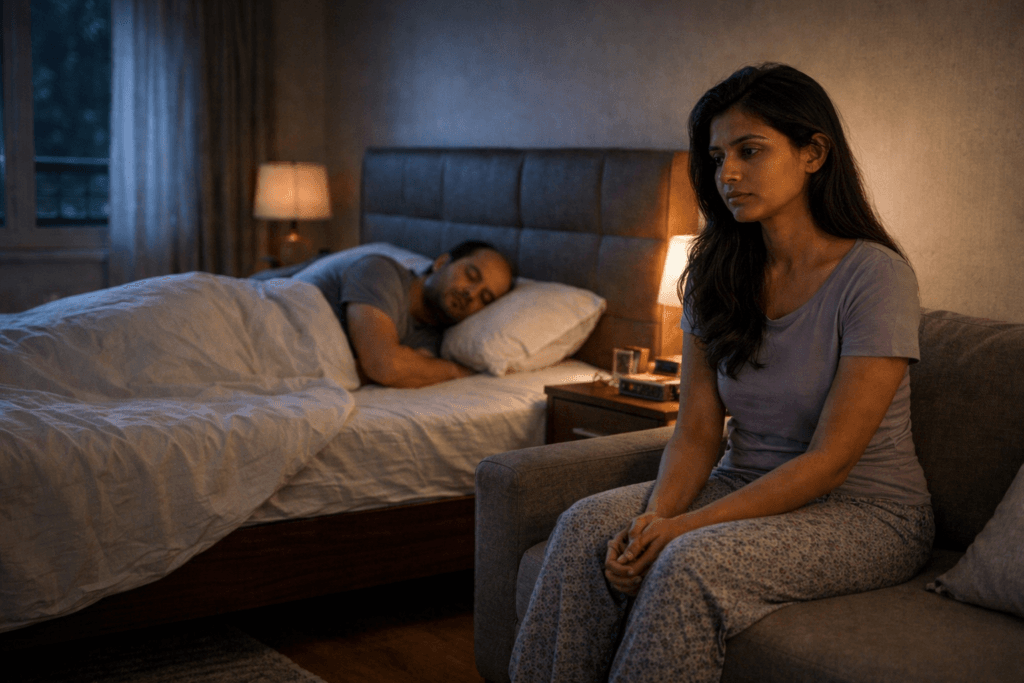
A lesbian married to a man describes a situation where a woman who identifies as lesbian enters a heterosexual marriage due to family pressure, emotional circumstances, or social expectations. These relationships are often called mixed orientation marriages, where partners have different sexual orientations. Such marriages can create emotional and physical compatibility challenges, especially when physical attraction is absent.
Marriage is often expected to bring emotional companionship, social stability, and eventually a family. However, in some situations, marriages begin under circumstances that make emotional and physical compatibility extremely difficult.
One such situation occurs when a woman who identifies as lesbian finds herself married to a man because of social pressure, emotional decisions, or unexpected life events. When that happens, the expectations of marriage may conflict with the person’s natural sexual orientation. The challenge becomes even more complicated when the marriage has already taken place, and families are involved. At that point, decisions are no longer purely personal. They affect multiple lives.
To understand this complex situation more clearly, let us look at the case of Dipika (name changed), a young woman who found herself married to a man despite knowing her sexual orientation.
Understanding the Conflict: A Lesbian Married to a Man
When someone says, “I am a lesbian married to a man,” it usually reflects a deep internal conflict between personal identity and social expectations. These situations do not always arise from dishonesty.
In many cases, they develop because of emotional circumstances, family pressure, or impulsive life decisions. Understanding this conflict is important before discussing possible solutions.
I Am a Lesbian Married to a Man – Understanding the Situation
For women who identify as lesbian, attraction toward men is not something that can simply be created through effort or adjustment. Sexual orientation is a deeply rooted aspect of identity. Trying to override it through marriage often creates emotional tension.
Dipika’s case illustrates this clearly. She understood her sexual orientation during her teenage years and had planned her life accordingly. Her education and government job were part of that plan because financial independence would allow her to live outside traditional expectations. However, an unexpected emotional shock changed her path.
When her girlfriend suddenly married someone else, Dipika reacted impulsively. Feeling betrayed and angry, she agreed to marry someone within a very short time. The decision was not based on compatibility or attraction. It was driven by emotional reaction. As a result, she entered a marriage that conflicted with her identity.
Lesbian in a Heterosexual Marriage
A lesbian in a heterosexual marriage often experiences a constant internal struggle. Externally, the marriage may appear socially acceptable. But internally, emotional and physical compatibility may feel forced.
In Dipika’s case, the problem became visible soon after marriage. Two months into the relationship, the marriage had still not been consummated. Her husband had not forced intimacy, but the expectation of a normal conjugal life remained present. For Dipika, the difficulty was not simply hesitation. Her mind and body were not responding to a man in that way. Physical attraction cannot be created through social obligation.
Lesbian in a Straight Marriage
Being a lesbian in a straight marriage places both partners in a difficult situation.
The lesbian partner may experience:
- emotional discomfort
- psychological stress
- difficulty with physical intimacy
At the same time, the husband may experience:
- confusion
- rejection
- frustration
In Dipika’s situation, another complication appeared. She developed strong negative feelings about her husband’s physical appearance. However, the deeper issue was not appearance. The real conflict was sexual orientation. Even if her husband had been physically attractive, the fundamental incompatibility would remain.
Why Marriage Without Physical Attraction Happens
Many marriages around the world begin without strong physical attraction. In some cases, emotional connection develops later. But in other situations, the absence of attraction reflects deeper incompatibility. Understanding the reasons behind such marriages helps explain why these situations occur.
Forced Gay Marriage and Family Pressure
One common reason behind forced gay marriage is family pressure. In many conservative societies, heterosexual marriage is still considered the only acceptable path. Because of this belief, individuals who identify as lesbian or gay may feel compelled to marry someone of the opposite sex to avoid social stigma.
Dipika’s situation was slightly different. Her marriage was not directly forced by her family. Instead, it happened as a reaction to emotional pain after her previous relationship ended. The desire for revenge and emotional closure pushed her into a decision she would not have made under normal circumstances. Unfortunately, impulsive decisions like this can create long-term complications.
Marriage Without Attraction vs Emotional Attachment
Some marriages begin without strong attraction but eventually develop emotional attachment. When two people share values, respect, and goals, emotional intimacy may grow even if attraction was initially limited. However, when sexual orientation itself creates the barrier, the situation becomes very different.
In Dipika’s case, the problem was not simply uncertainty about her husband. She felt a fundamental lack of attraction toward men. Trying to force the relationship into a conventional marital structure was therefore becoming increasingly stressful.
Can a Marriage Without Physical Attraction Work?
One of the most common questions in such situations is whether the marriage can continue despite the absence of physical attraction. The answer depends on several factors, including emotional compatibility, mutual expectations, and the willingness of both partners to redefine the relationship
Marriage Without Physical Attraction and Intimacy
Physical intimacy is usually considered an important part of marriage. However, not every couple defines intimacy in the same way. Some couples remain together for companionship, shared responsibilities, or family stability, even when physical attraction is limited.
In Dipika’s case, however, intimacy had become a source of constant tension. Every night carried the expectation of physical closeness, and she found herself repeatedly trying to avoid it. Such situations can create emotional discomfort for both partners.
Emotional vs Physical Connection
A marriage may sometimes survive through emotional companionship alone, but this requires honest communication and mutual understanding. If both partners recognize the situation and agree on how to move forward, the relationship may evolve into a partnership based on companionship rather than romantic attraction.
However, if one partner expects a traditional marital relationship while the other cannot provide it, conflict may gradually intensify.
Dipika’s case reflects this early stage of conflict.
Should You Stay or Leave?
When someone realizes they are in a mixed orientation marriage, the next question becomes whether the relationship should continue or change. This decision should never be taken lightly because marriage involves emotional commitments and family expectations.
Mixed Orientation Marriage Counseling Options
Before making any major decision, some couples explore mixed orientation marriage counseling.
Professional counselors can help partners discuss:
- emotional expectations
- identity conflicts
- possible relationship structures
Such conversations can help couples understand whether the marriage can realistically continue.
When Separation Becomes Healthier
In some situations, continuing the marriage may create more harm than resolving it early. Because of these factors, addressing the problem early could prevent a much larger conflict later. The goal is not to create chaos but to resolve the situation responsibly.
Dipika’s situation illustrates this possibility. The marriage was still very new, there were no children involved, and she was financially independent. In her case, the most practical step was to consult a qualified divorce lawyer first and understand the legal process before discussing the matter with family members.
Protecting Both Partners’ Dignity
One important lesson from Dipika’s case is that personal decisions should not turn into blame or humiliation. Her husband did not force the marriage and does not deserve to be body-shamed or blamed for the situation.
The real issue was incompatibility, not appearance. If the marriage eventually ends, it should be handled respectfully so both individuals can move forward without unnecessary resentment.
Key Takeaways for Women in Mixed Orientation Marriage
Many people assume marriage will automatically create emotional and physical compatibility. However, when sexual orientation conflicts with the structure of the marriage, the situation becomes more complicated. Women who find themselves lesbian, married to a man, often face emotional confusion and social pressure.
Important lessons from such situations include:
- Sexual orientation cannot be changed through marriage.
- Impulsive decisions made during emotional distress can create long-term consequences.
- Addressing incompatibility early is often easier than waiting until the situation becomes more complex.
- Honest reflection and careful planning are important before making major relationship decisions.
For individuals who identify as lesbian but still wish to have children in the future, alternative arrangements may sometimes be considered with partners who understand the circumstances. Planning life decisions thoughtfully is always better than acting impulsively and facing regret later.
If you feel stuck in a similar situation and need a neutral space to think through your options, you may explore a confidential Let’s Talk session on ResourceOwls.
Frequently Asked Questions
Can a lesbian married to a man develop attraction later?
Ans. In most cases, sexual orientation remains stable. Emotional companionship may develop, but genuine sexual attraction usually cannot be forced through marriage.
Is marriage without physical attraction common?
Ans. Yes. Many marriages begin without strong attraction due to social pressure or family expectations. However, long-term compatibility often depends on emotional honesty and mutual understanding.
What should someone do if they are a lesbian in a straight marriage?
Ans. The first step is honest reflection. Some couples explore counseling or communication strategies, while others may consider redefining the relationship depending on their circumstances.
Is divorce the only option in a mixed-orientation marriage?
Ans. Not always. Some couples remain together through companionship or co-parenting arrangements. The right decision depends on the emotional well-being of both partners.